- What encouraged you to run for the school board?
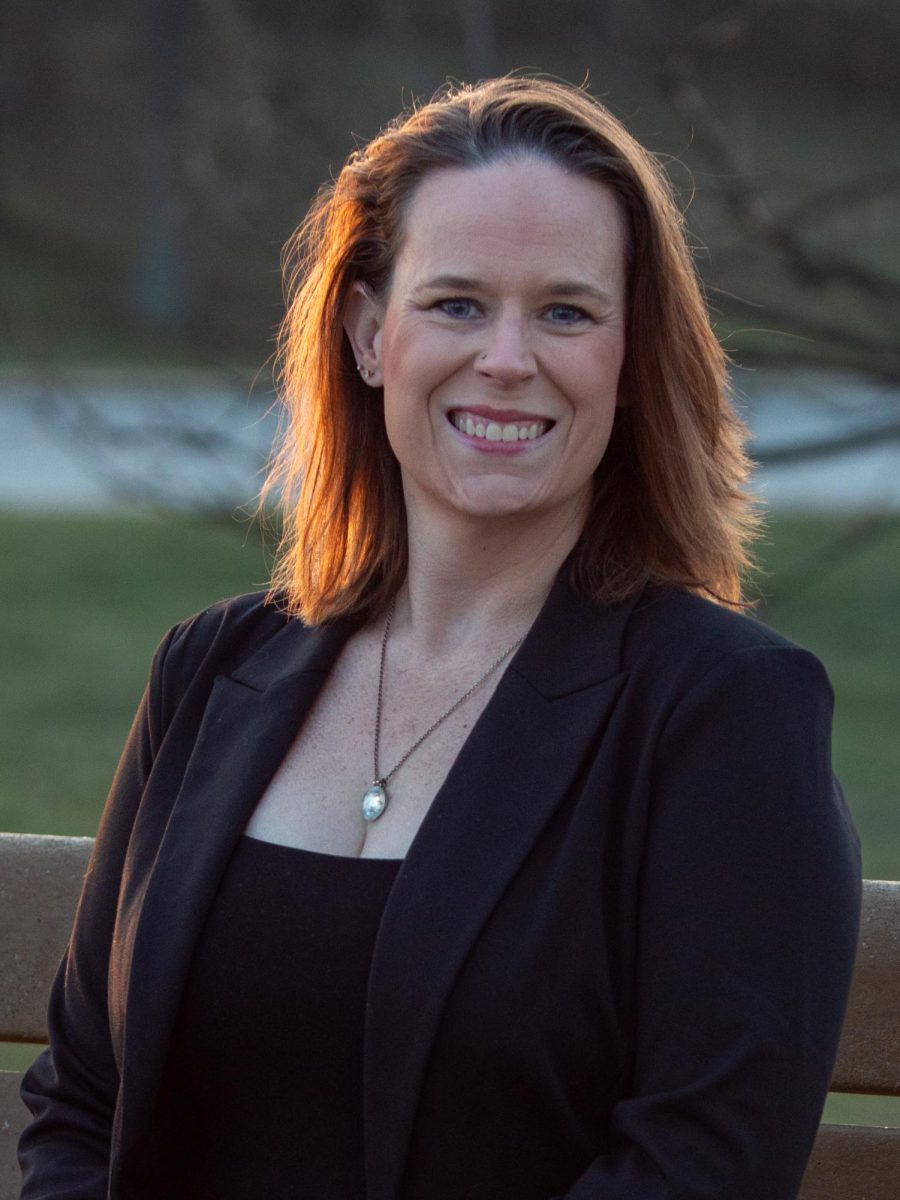
I’m a Francis Howell alum and a parent of two children in the district, so our schools are very personal to me. I decided to run because I want our district to be a place where teachers and staff feel supported enough to stay for years, where students feel safe and represented, and where the board works collaboratively with families, educators, and administrators.
- What are some recent decisions by the Board that you would like to change or that you disagree with?
I would like to see the board return to a more collaborative and inclusive approach when making major decisions. One example: the 2024 board voted 5-2 to sunset the resolution against racism.
Bertrand, Cook, Ponder, Harmon, and Puszkar voted to sunset, Blair and Owens voting against the sunset. The community, teachers, staff, and especially students showed up to board meetings and told us how this action would negatively affect *everyone.* Had *all* of the 2024 board listened to those voices, more students, staff, teachers, and families today might feel a more inclusive atmosphere. Our community – teachers, students, staff, families, administrators – all have valuable perspectives, and when those voices are part of the conversation, the district makes stronger decisions.
- How will you ensure greater fiscal responsibility in light of the Dominguez scandal?
Rebuilding trust starts with transparency and teamwork. Financial decisions shouldn’t happen in isolation—they should include input from educators and staff who understand how resources affect classrooms. Strong oversight, regular audits, and open conversations – with everyone – about district finances will help ensure that funding is used responsibly and in ways that benefit students.
- Do you support the book challenges being made in the district? Also, what is your reaction to the current board’s change to the book challenge protocol? Please explain your answers.
Students benefit from access to a wide range of books and perspectives, and I trust trained educators and librarians to make responsible decisions about what belongs in our classrooms and libraries. They are professionals whose training includes selecting, reviewing, and maintaining collections that support student learning.
I also believe the current challenge policy is poorly structured and has created an unnecessary burden on the district. Before these changes, there was already a thoughtful review process in place, and parents could always guide what materials their own children access. If elected, I would want to revisit the policy with educators and community members to determine whether it is truly serving students or simply diverting time and resources away from teaching and learning. Our teachers and librarians should be focused on supporting students, not navigating a complicated challenge process.
- With Senate Bill 3 in action, cutting down public school funding, how do you plan to improvise with our district’s budget?
Funding cuts make careful planning even more important. My priority would be protecting classroom resources and the staff who support students every day, while working with educators and the community to identify efficiencies. At the same time, our school boards must continue advocating at the state level for fair and adequate funding for public schools.
- What are your top budgetary priorities, and what would you cut if funding fell short?
My first priority is always the classroom—students, teachers, and the staff who directly support learning. If funding fell short, I would first look for operational efficiencies before considering anything that would reduce support for students or educators.
- How do you plan to help lower-income students?
Every student deserves the opportunity to succeed regardless of their family’s financial situation. We can help by making sure students have access to tutoring, counseling services, and programs like free or reduced meals and after-school activities that keep them connected to school. I also support making sure students have the learning materials, 1:1 technology, and support services they need so that financial barriers don’t stand in the way of their education.
- How do you plan to address the educational gap and income inequalities among students?
Addressing educational gaps requires listening to educators and using data to understand where students need additional support. Targeted academic programs, strong early learning opportunities, and access to resources can help ensure every student has the chance to succeed.
- How do you make sure that all community members feel heard and trusted in the district?
Trust starts with listening. School board members should be accessible, attend community events, and create opportunities for students, families, teachers, and staff to share their perspectives. Transparent communication helps build confidence in the district’s leadership.
- If you lost the election, what would you want the winner to prioritize?
I would want them to prioritize supporting and retaining our teachers and staff. High turnover makes it harder for students to build relationships and maintain stability in their education. Investing in the people who serve students every day should always be a top priority.
- Why should students trust you to make decisions that affect them?
Students are the reason schools exist, so their voices matter. I believe school board members should listen to students, respect their experiences, and remember that every policy decision affects their daily lives and their future.