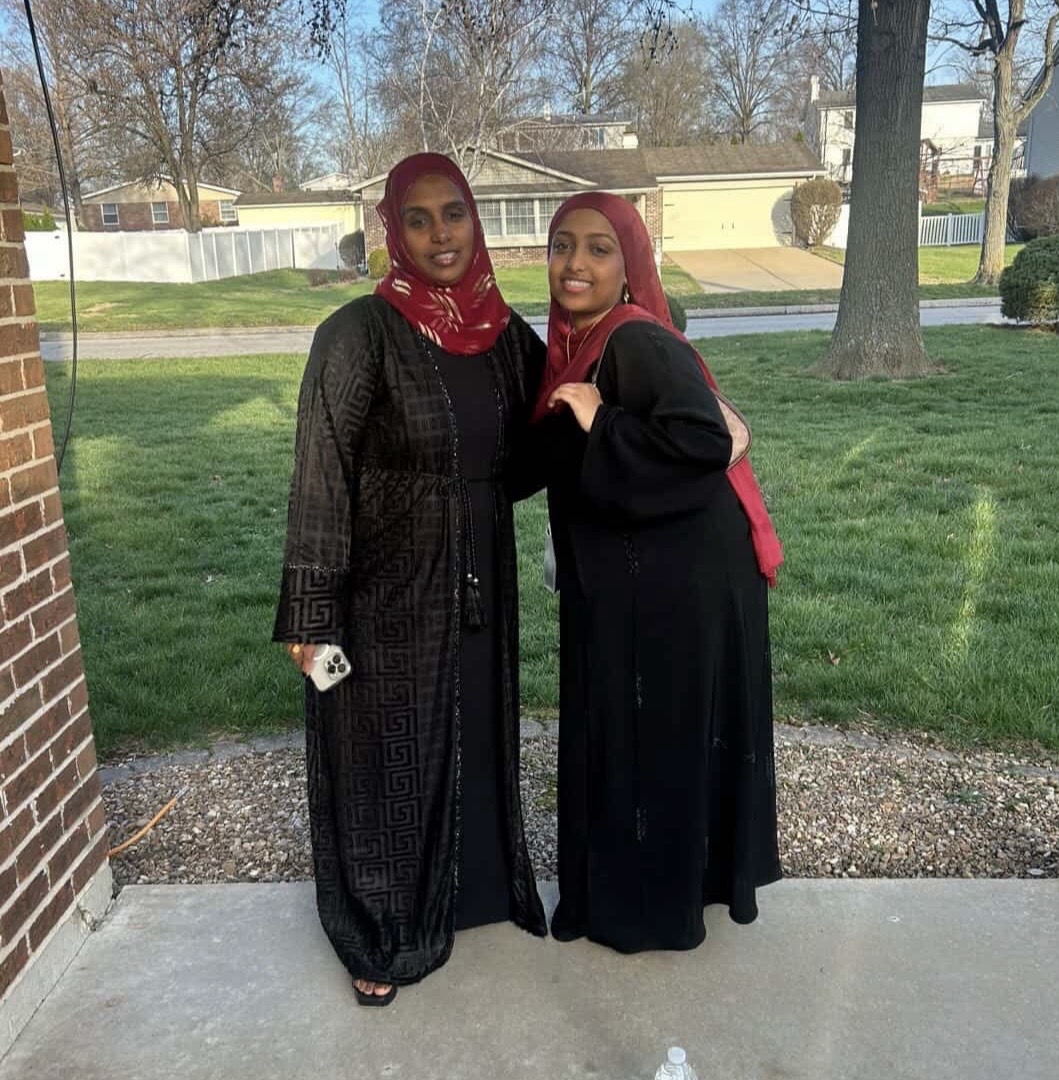
Ramadan is a month-long Muslim holiday celebrated by many FHC students. Although Ramadan is mainly known for its dawn-to-dusk fasting, it is more than that. The month is full of prayer, community, and reflection. On chilly spring nights, Junior Muhammad Lulat meets up with his family and friends to end the nights of Ramadan together with prayer, increasing his piety as well as his communal connections. Lulat shares what Ramadan means to him and the importance of community during this time.
“Not only does [Ramadan] have religious significance, because it’s a month we are supposed to show our diligence and temperance and show an increase in our God-fearing nature and how much we care about God, but to me, it also represents a time where I can get closer with my family and enjoy my mom’s food and kind of just hang out with my friends,” said Lulat.
Muslim students who participate in Ramadan fast—do not eat—from dawn until dusk, to show their commitment and devotion to God. Although for many Muslim students it becomes easier to fast as the month progresses, that doesn’t mean some students don’t run into roadblocks during the holiday. Lulat talks about the struggles he sometimes faces when fasting, specifically at school.
“The biggest challenge of fasting during school is during lunch, you just see all your friends eat. So it might be a bit mentally distressing, but as a Muslim, it doesn’t really bother you once you fast a lot, it’s kind of second nature,” said Lulat, “The best way to stay focused is to stay hydrated before your fast, drink a lot of water, and get mentally prepared.”
During Ramadan, the goal for many Muslims is to strengthen their relationship with God by becoming more spiritually aware. Ramadan brings families and friends together after a long day of work and school to gather for a shared meal after the sun sets, and to attend evening prayer together at a mosque. This time allows one to focus on resetting and improving oneself while working on self-discipline. Senior Seada Yasin enjoys deepening her religion with the celebration and sacrifice of Ramadan.
“You try to focus more on the religious books, which is the Qur’an, and then at the end of the month, after Ramadan, it’s Eid, which is the celebration,” said Yasin. “It’s not only the month of fasting, there is way more that comes with it, making yourself better and cleansing your soul and being closer to God.”
When the sun sets, it is tradition for Muslims to break their fast with a date, considering that is what one of the prophets did. When Muslim students fast, it encourages empathy and compassion for those who might also not be eating but for other reason such as being without food. This is also why giving to charity is quite common during the month of Ramadan.
Sophomore Ameera Habib said that even though it takes some endurance, she definitely notices changes in herself and her attitude because of it.
“When you’re at school, you have to wake up earlier, so you spend the entire day fasting, but if you’re not at school, then you can sleep in for most of the day. I wake up earlier to eat, obviously, and I also take naps more so that time will go by,” said Habib, “Through the month I’ve learned how lucky I am,”