Q: What advice would you give to somebody taking pubs next year?
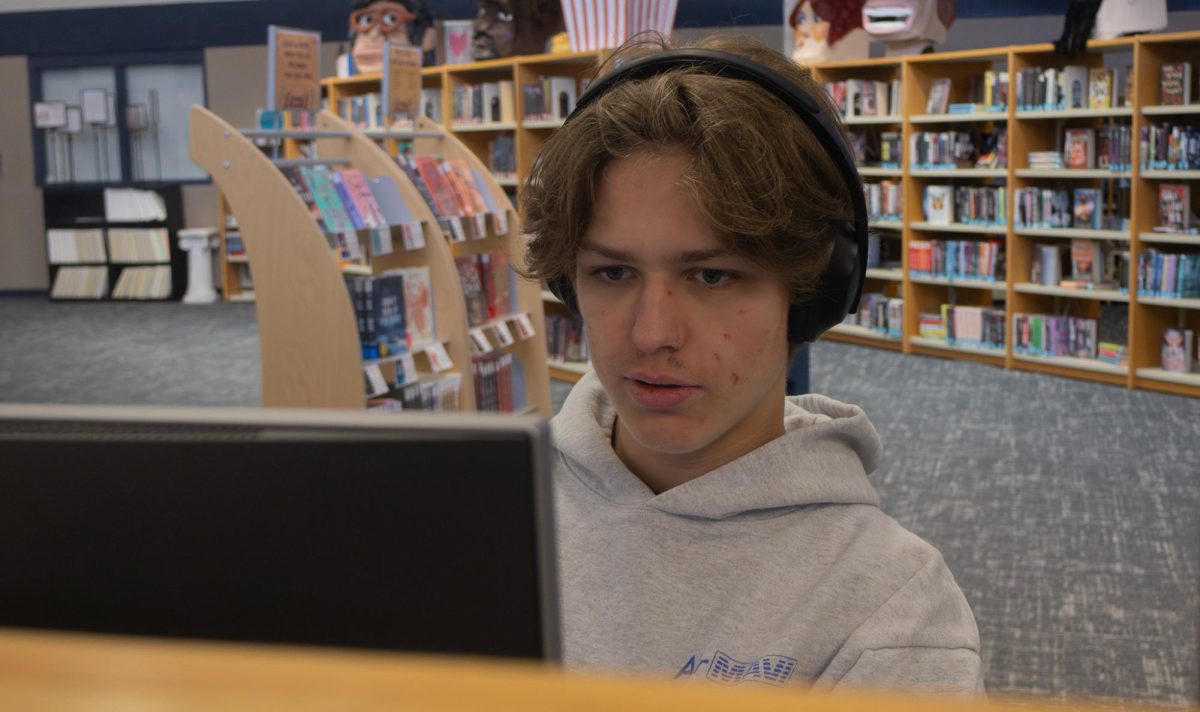
Social Media Editor, Carter Hayden: Work hard. Find a passion for it, because if there’s no passion for it, then there’s no reason to take the class.
Web Editor-in-Chief, Lillian Richter: Make sure to do your work. It’s difficult, it takes a lot of work ethic to get done, and we have important deadlines to meet. It isn’t like another class where you can turn your work in late, because it would push the entire publishing schedule off.
Yearbook Sports Assignment Editor, Miley Cooper: When you’re writing a story, [don’t] be nervous about [whether] you think it’s going to be good or bad, because we all have to start somewhere, and it’s the only way to get better, right? Just keep writing.
Q: What is one skill that students taking pubs should have or know?
Richter: To be able to write grammatically correct and [to be] able to think deeper on certain issues than surface level. We also look for a lot of creative writing techniques to make sure that our stories aren’t bland or surface-level. Make sure you know how to use a comma.
Hayden: Definitely being a hard worker. Communication for interviews, you really have to be able to talk to people and figure out what to say to them, and find out how to talk to people without being awkward.
Q: What is one thing you feel students don’t know about pubs?
Richter: I think other students don’t know how much work goes [into it]. They get interviewed every now [and then], and they see the photos, but they don’t see the behind-the-scenes of editing, revising, and changing things— and the thought process behind it.
Cooper: Probably how chill of a class it is. Schott tells me what you need to do, and then you do it, and it’s not super strict.
Q: What is the learning process?
Richter: It can be a long process or a short process, depending on how well you can switch around what you’ve learned before. It’s a lot different. The writing styles [are] different than what we learn. The way we tell a story can be different, and overall, the way the newsroom works is a very different culture than what most people are used to in a classroom setting. So, it takes time to adjust, and it takes time to learn the new techniques that go into reporting and writing.
Hayden: It’s experimenting with what you want to see. If you picture it in your mind, then you have to figure out how to put that onto the screen and through the camera. From there, it’s figuring out what works and what doesn’t, and then doing it and finding a passion for it.
Q: How are the publication classes structured, and how do they differ from other classes?
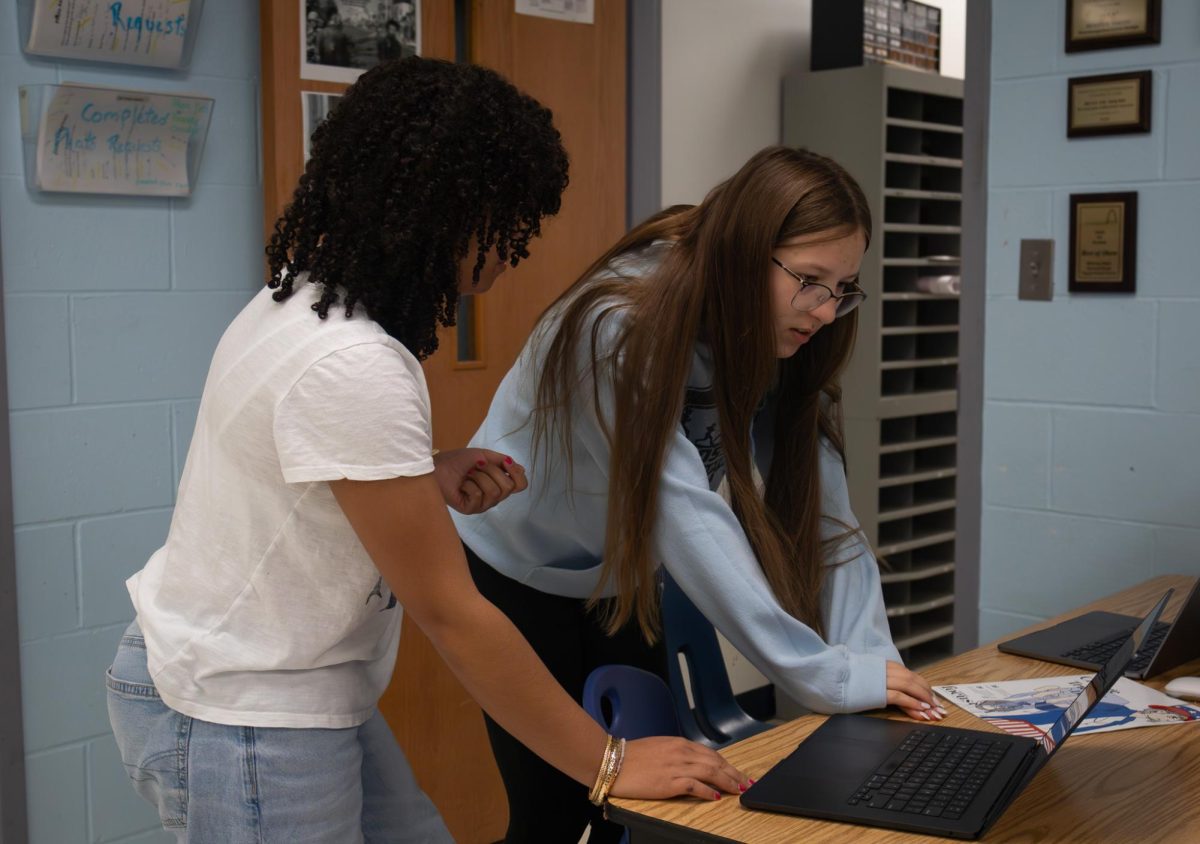
Richter: The class is structured with a very student-led focus. Usually, at the beginning of class, the editors all stand up at the front of the room, and we go over the daily agenda for the photographers and the reporters. Occasionally, Schott will add something every now and then. It’s basically work time the entire day, unless we’re gearing towards a project where we would do something new, and then it’s more of an instructional period. They’re very different [in] the way it’s student-led, and we have work time. It’s not like Schott’s up lecturing there every single day. Our assignments are also different. We get graded on whether or not we turn stuff in on time. We’re working on our stories and our interviews constantly, and if you put them on the server on time, then you get a good grade. It’s more project-based. [There are] no true assignments or any busy work.
Hayden: Publications is widely different from other classes. It’s completely student-led. Student editors will start class, and we’ll cover everything that we think we need to. We’ll check with the teacher, [and] see if we missed anything. From there, Mr. Schott is the main person [who] you go to if you can’t find answers for anything, but mainly, students will go to the editors to help them. Mr. Schott is a last resort.
Cooper: It’s a physical thing; it’s not desks, it’s tables, and everyone’s like really spread out. It’s student-led, so it’s not a teacher going up [to] the board teaching you. When he does teach, it’s showing you how to do one thing, and it takes five minutes. It’s really student-led.
Q: What is your favorite part of publications?
Hayden: I really like the creativity of it. I’m a creative person, but I’m not very good at the traditional arts, like drawing or painting. I found an outlet through photography. I get to be creative with it and find the right shots.
Cooper: I really like all the freedom that we’re able to have. I really like that it’s student-led, because it helps me learn time management.