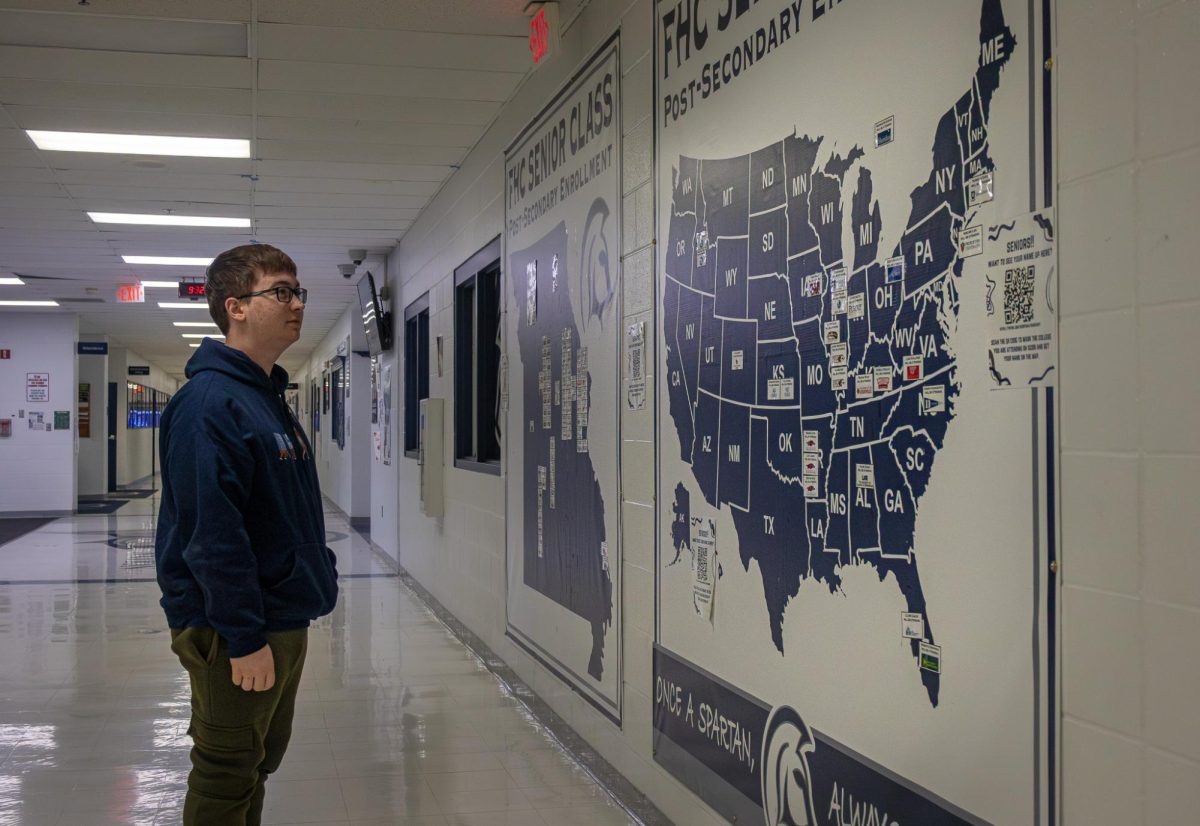
With over 4,000 colleges and universities across the country, choosing where to apply can feel less like making a list and more like going through a maze. For some students, the journey remarkably begins before their first step in high school, and for some seniors, they are left scratching their heads, wondering which ones to apply to—or even where to start?
According to Higher ED Drive, “Nearly 75% of high schoolers aspire to go to college, yet most do not have a firm, finalized list early on. Roughly 25% of students have narrowed down their college lists, while about 68% are still actively researching or building their lists. A staggering 72% of students find the application process itself difficult or confusing.”
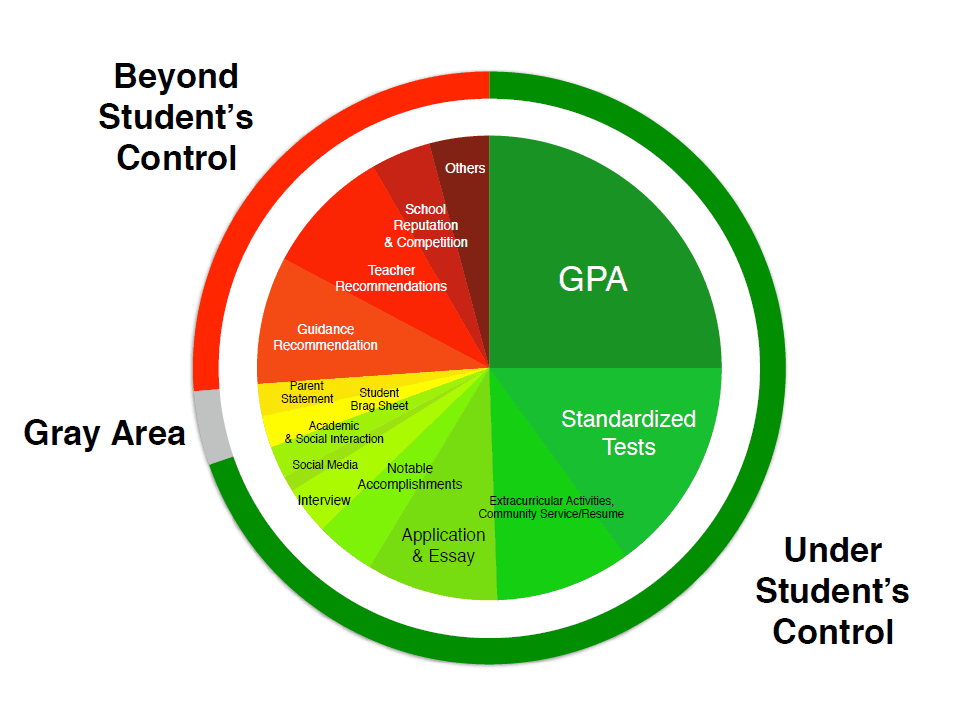
One of the most important—and often overlooked—step among the journey is figuring out what actually interests you, like a possible major or career path. It sounds simple, but this one decision quietly shapes everything else: the classes you take, the clubs you join, and even the story you end up telling colleges.
When students have even a rough idea of their direction, they feel optimistic and grasp every opportunity (aka- projects/courses that become their key) that helps their growth.
A future engineer, for example, might lean towards taking any PLTW Engineering courses, in addition to participation in the Robotics Club—not just to “look good” for colleges, but to actually build, test, fail, and create things that matter to them. Over time, those late nights on projects and competitions turn into the backbone of college essays, showcasing student’s true potential in problem-solving skills or their process journey.
“Take advantage of job shadowing and explore some careers. Talk to your parents about what they do and about what jobs they think you might be interested in. If that doesn’t help, then look at your youth science results from the new science career assessment that we did in freshman year,” college counselor Dustin Bailey said.
This advice, if taken with responsibility, could be a perfect layout for the possible future. Once students start identifying interest, and career paths, the next step becomes narrowing down the academic focus areas and selecting colleges that come into their ‘interest and affordable’ range.
“After that we start looking at things like the size of the campus, and the cost. And find those colleges that the [student] can afford to go to with leaving less debt. I also really encourage students to visit them and kind of get an idea of [campus environment],” Mr. Bailey said.
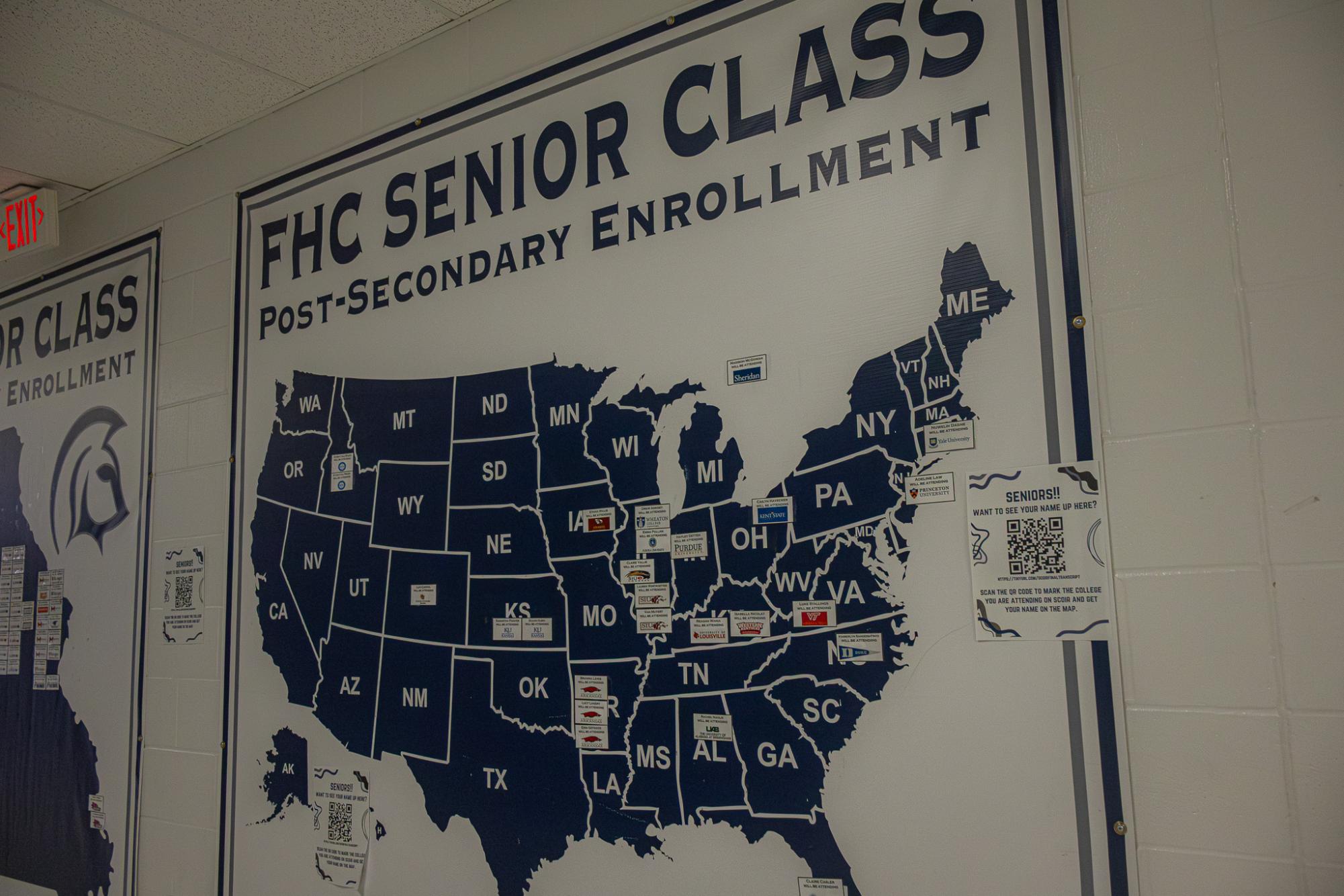
Many students use Common app or Scoir college network to research college environments. They then take opportunities to visit and learn more about their field of interests. Besides this, students at FHC often join the MAC Scholars club, commonly known for its free visits to colleges and universities during summer breaks.
“Field trips to [colleges] in summer breaks allow club members [to be exposed] to different experiences that are going to benefit their future,” Coach Devin Thomas, one of the managers of the club, said. “And, so when they are exposed [to] different things they learn to [decide] and grow.”
Beyond the use of traditional techniques such as college visits and college websites, students are turning to newer technologies for gaining more supportive feedback and decision making. And, surprisingly, that turns out to be the most mis-judged web: ChatGPT.
“I’ve started using ChatGPT a lot for college searching because you can get a lot of information really quickly and you can personalize it, which isn’t [possible] in other sites,” Mr. Bailey said. “ For example, ‘You can describe yourself and what you like and then say, give me a list of colleges within this price range that you think I would be interested in and it will take your personality a little bit and your interests and list out every [option].”
Despite this, many students often fall into traps of creating a ‘dream college list’: a collection of colleges that may sound extremely wonderful and jaw-dropping at first, but not always best in terms of personal or academic fit. Colleges that look great, majors that sound powerful and environments that seem approachable are often seen as the main causes of depression and over-stress load for students.
“I don’t tell kids not to pursue something that they want to be in here. But I do tell them that if you really want to get into engineering, that you’re not very good at math. Then, you need to consider how much you’re going to have to work to get that degree,” Mr. Bailey said.
This highlights the importance of making realistic choices rather than idealized ones. Because once the time and money is lost, it will never come back. A strong college list should not only reflect ambition but also align with a student’s academic strength, readiness and long-term goals.
“One advice [I would give] is to start with the major. Find schools that have the major that you’re interested in. And then start narrowing things down from there and do lots of college research. And, [don’t forget] to follow your dreams. But if you find if it’s much stressful, then you just have to make an adjustment,” Mr. Bailey said.