Arts and sports are often seen as activities that require excellence of the body, but for students facing mental disability, they are the principles of confidence, expression, and independence. At FHC, classes like Adaptive Arts, Sports, and FACS are strong pillars that guide these students towards passion and respite. A teacher’s perspective, though, is a completely different world as they learn to interact with the students and teach them life-long lessons.
“The most important thing is to make sure we really know them, and their interests. Especially when we are talking about activities in sport, we really want to make sure that they enjoy it with safety, ” Devon Thomas, a PE teacher at FHC, said.
The procedure and safety in sports are the main worries of the teacher. Depending on the student’s interest, the teacher makes sure that the activities are enjoyable and safe. For example, if a student likes to run on the track, the PE teacher then looks forward to engaging them in such activities. While in weight lifting, the teacher makes sure that the students are following the procedure with safety and responsibility.
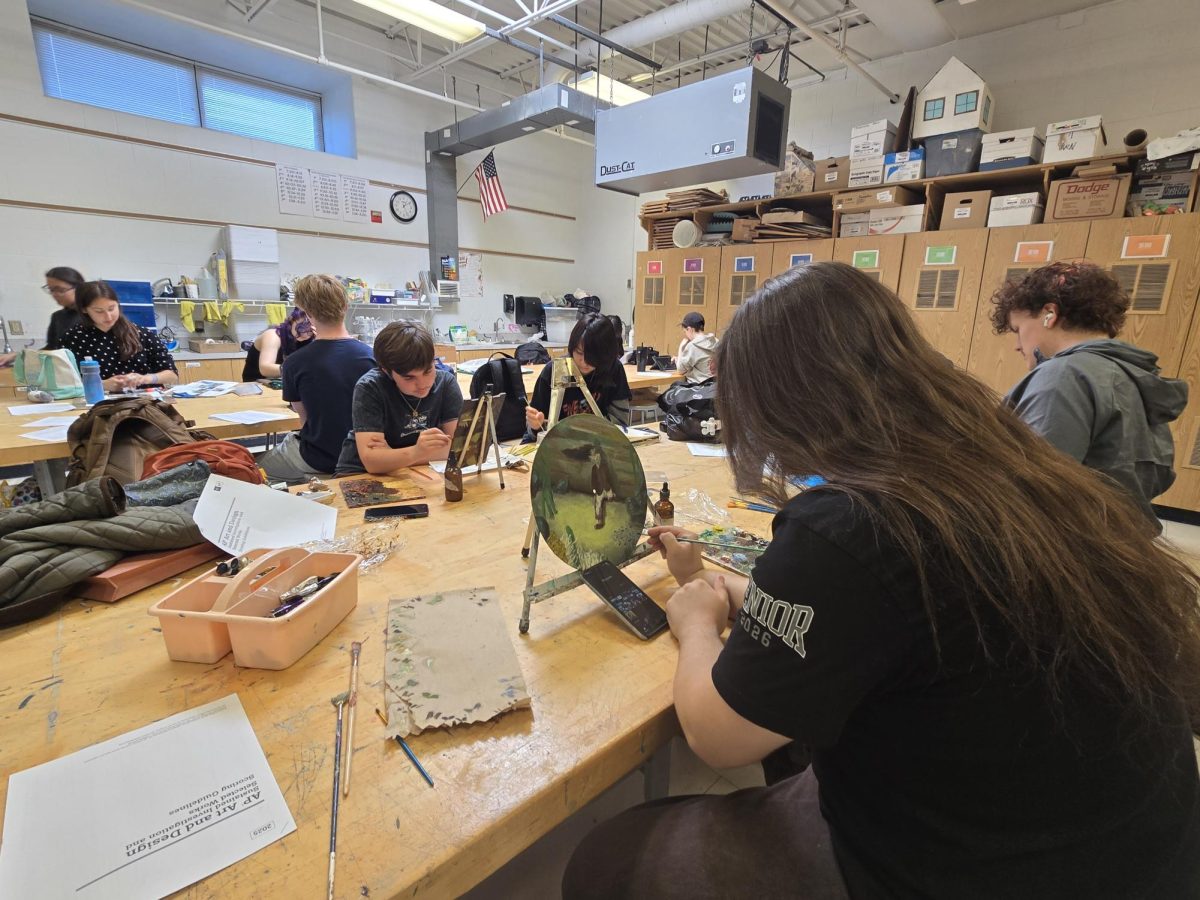
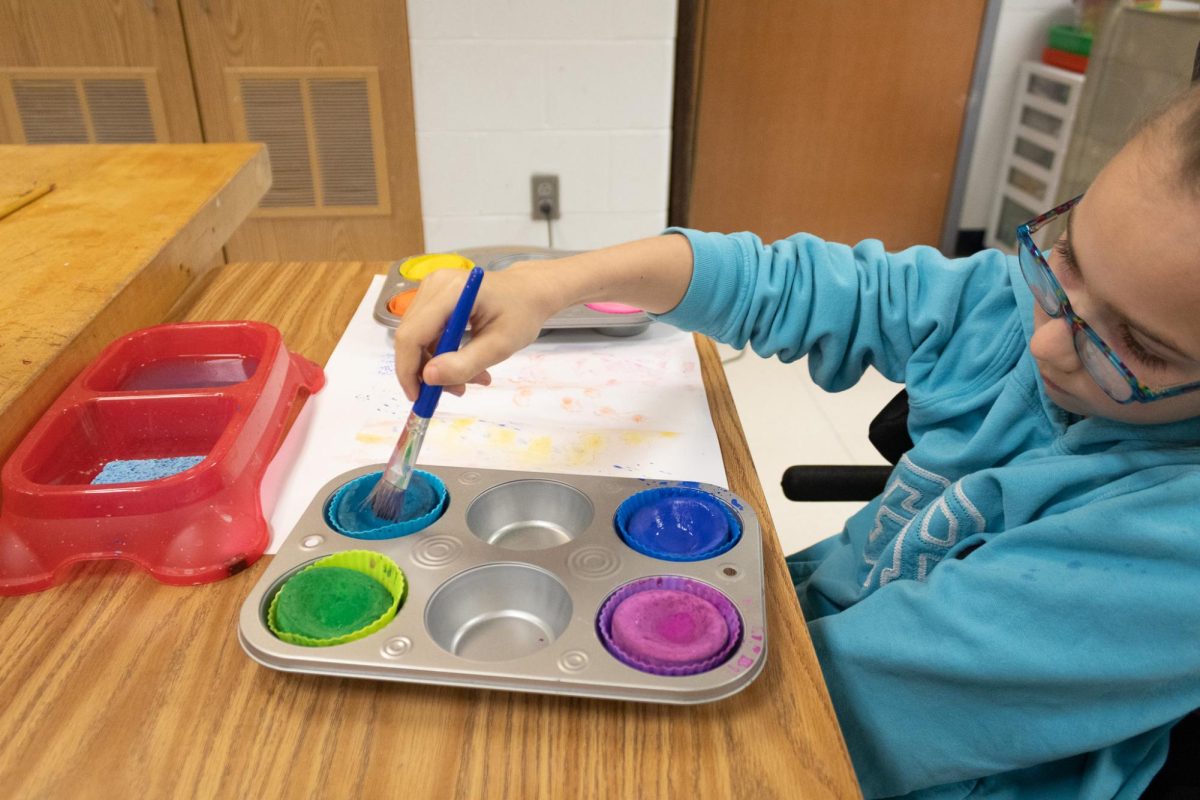
“In art, we’re always looking for interesting ways to create something with them that can stay with them for the rest of their lives, such as leisure activities or things that they find engaging. It’s sort of different for each of our students in different ways, with their different abilities. For example, some students like animal-themed subject matter, while some like different cartoon characters. They also like to do lots of things with their hands, such as painting which engages them. Other times they enjoy printmaking, stamping, or sculpting with 3-dimensional artworks,” Michelle Ridlen, an art teacher at FHC, said.
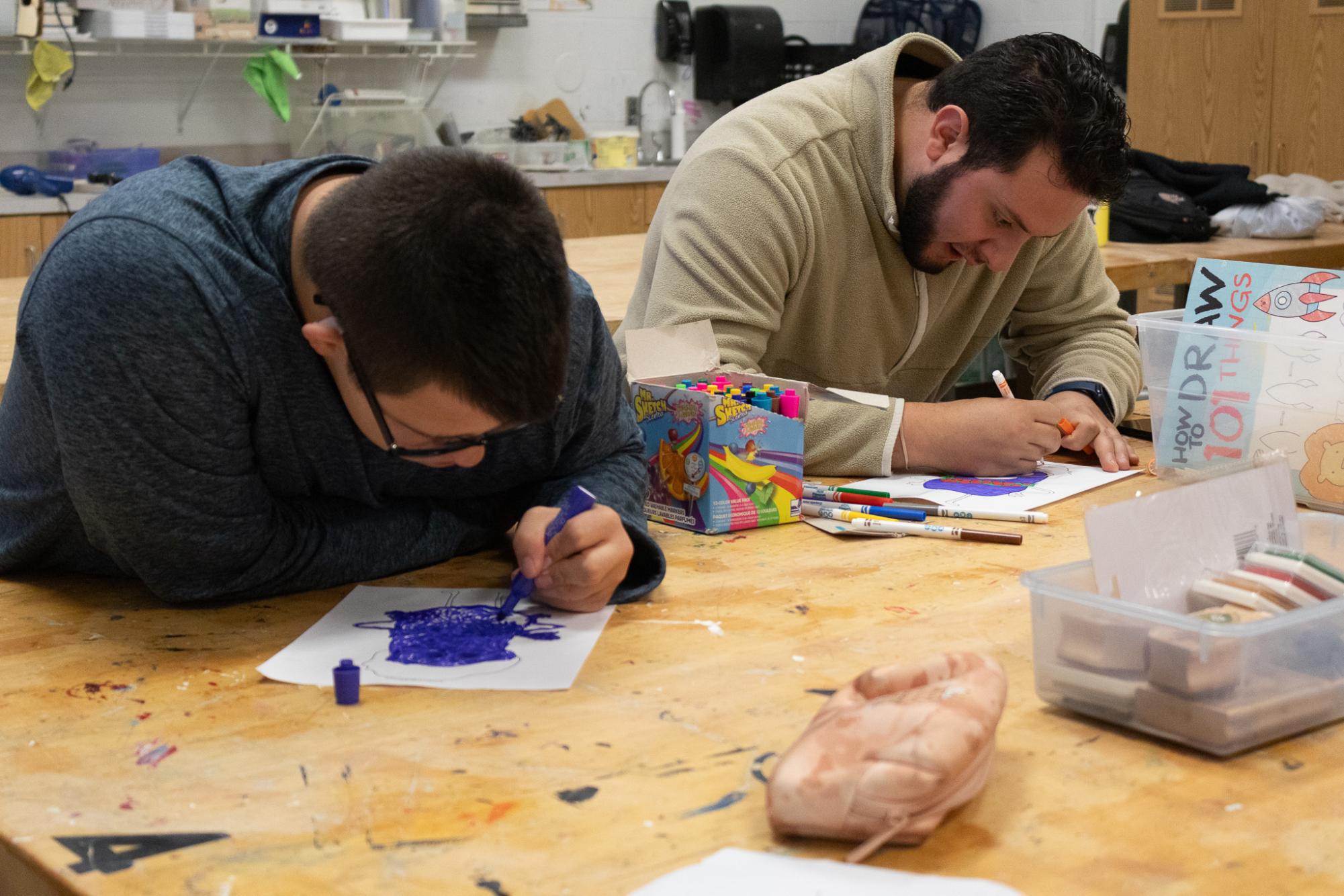
While P.E helps disabled students engage in challenging sports that help them develop mental strength and energetic mood, Adaptive Arts focuses more on strengthening creativity and imagination. Many subject matters surround this class over the course of the year, with most depending on the student’s interest.
“Usually on Mondays and Fridays, we do free choice where students can pick a station that they want to go to, such as… drawing, mono printing, building, and painting stations. On the rest of the week, we have more of a structured like follow-along activity. For example, earlier this week, we were doing things with gingerbread men where they had to watch me draw it this way, and then they would try it themselves. It was more of a ‘watch me, and now you try’ sort of way. I would also ask them things like, ‘How do you make green?’, and then I would watch them try mixing blue and yellow to make green. We also usually have an artist of the week, and that focuses our lessons,” Ridlen said.
Adaptive Arts focuses more on bringing in the creativity of famous artists and letting the students experience the thrilling way of bringing clay to a shape or bringing colors to a painting. Something this practical brings joy to students who experience these activities with joy despite their physical constraints.
“The thrill is all about ways that get them to physically manipulate the material, and get them to explore different senses while they’re working, like different tactile things that they want to feel, or the visual senses exploring unique art pieces. We’re always looking for ways and strategies to interpret new things in a way that will get them physically engaged,” Ridlen said.
Students always enjoy exploring things around and feeling objects, which guide them to make connections within the brain. In art, it becomes easy to disclose many senses to the whole world of sculpting, printing. Not only do arts help with sensory objects, but materials such as gym equipment drive them with enjoyment and productivity. P.E is different in many ways as it evolves physical strength, competition, and fitness.
“Sports is usually the easiest place to kind of block everything else, like stress, and bring back the focus. Most of the time, I make sure that students [understand] the activity and [enjoy] it. We play many sports such as basketball, football, dodgeball, and tracks; this helps them engage and be actively productive,” Thomas said.
The students’ participation always leaves a smile and brings joy to the teacher’s eyes. When students learn and participate in these activities based on their interest or sometimes the teacher’s choice, it not only helps them mentally but also helps them build memories.
“When speaking about individuals with disabilities such as mental disability, the goal is to see the person first and not the disability and to use language that empowers and respects their individuality, not their limitations. We want to focus on their abilities and strengths,” Carrie Alvernia, the teacher for Adaptive FACS, said.
It’s true that some people in the world judge these students and treat them differently. While some consider that it’s quite impossible for them to participate in extracurricular activities, at most the sports, they forget to understand that these students, despite their differences, are humans as well.
“They really enjoy things that every other student enjoys. There is really not that much [difference] sense of what they like. If they’re athletes, they love sports. If they love lifting weights, that’s what they do. They are very similar to everyday kids. It’s just small differences depending on the disability, and once they learn to adapt, they just play like everybody else,” Thomas said.