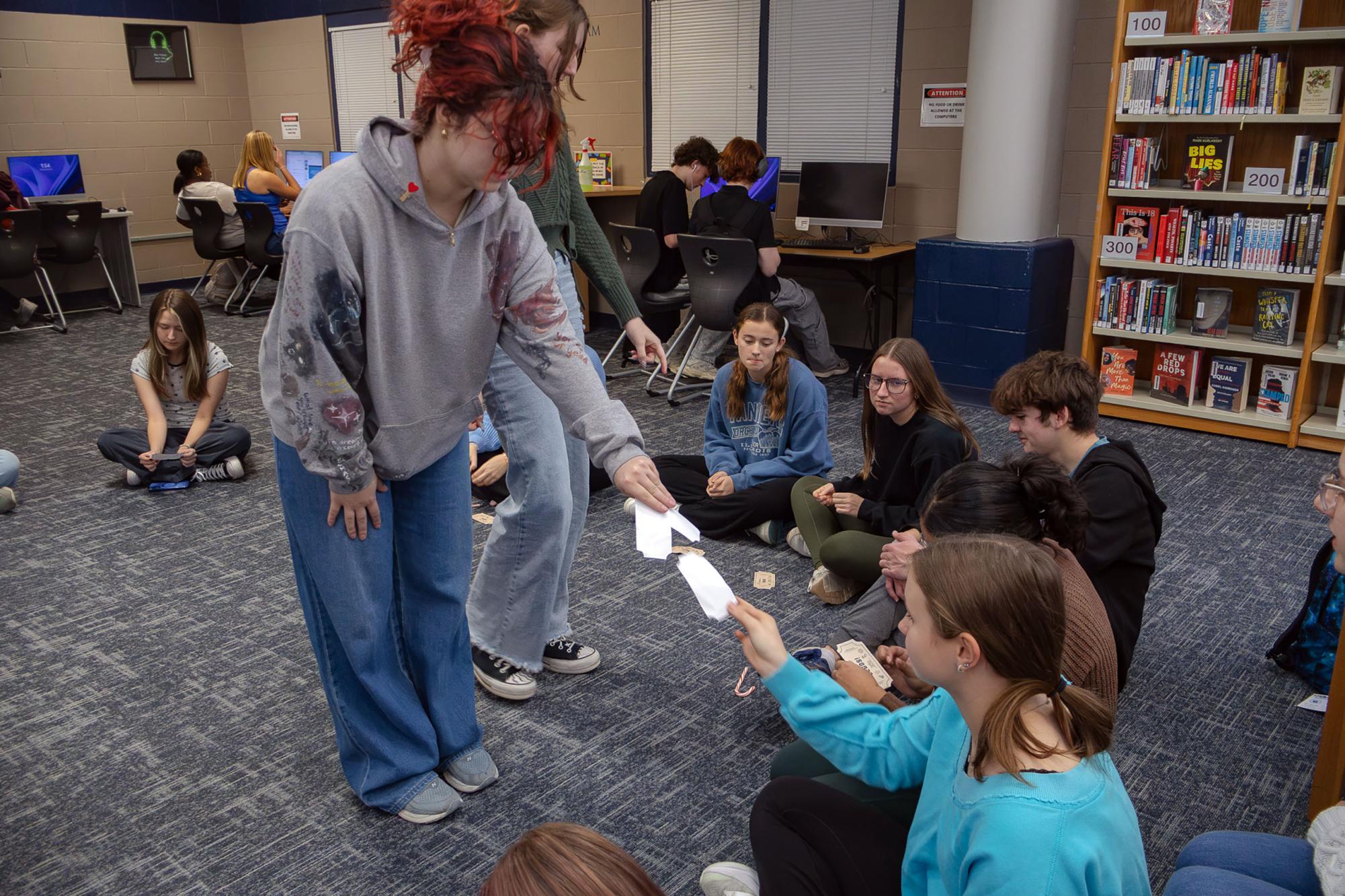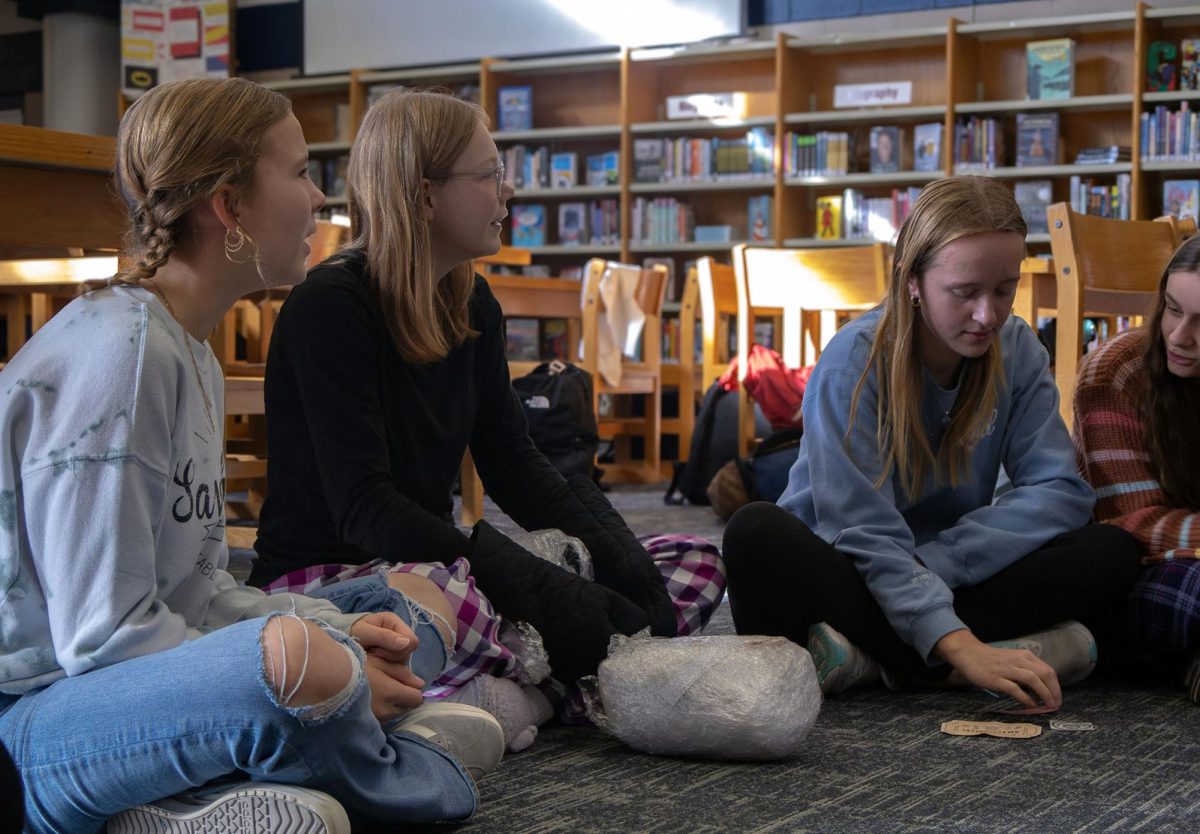
The Epsilon Beta club is determined to reach out to students and enhance their passion for learning. Many students at FHC participate in its chapter to learn ways to enhance their love of reading and increase their creativity. Near the end of the school year, students can opt to attend a conference with other Epsilon Beta chapters, where they participate in themed activities and competitions.
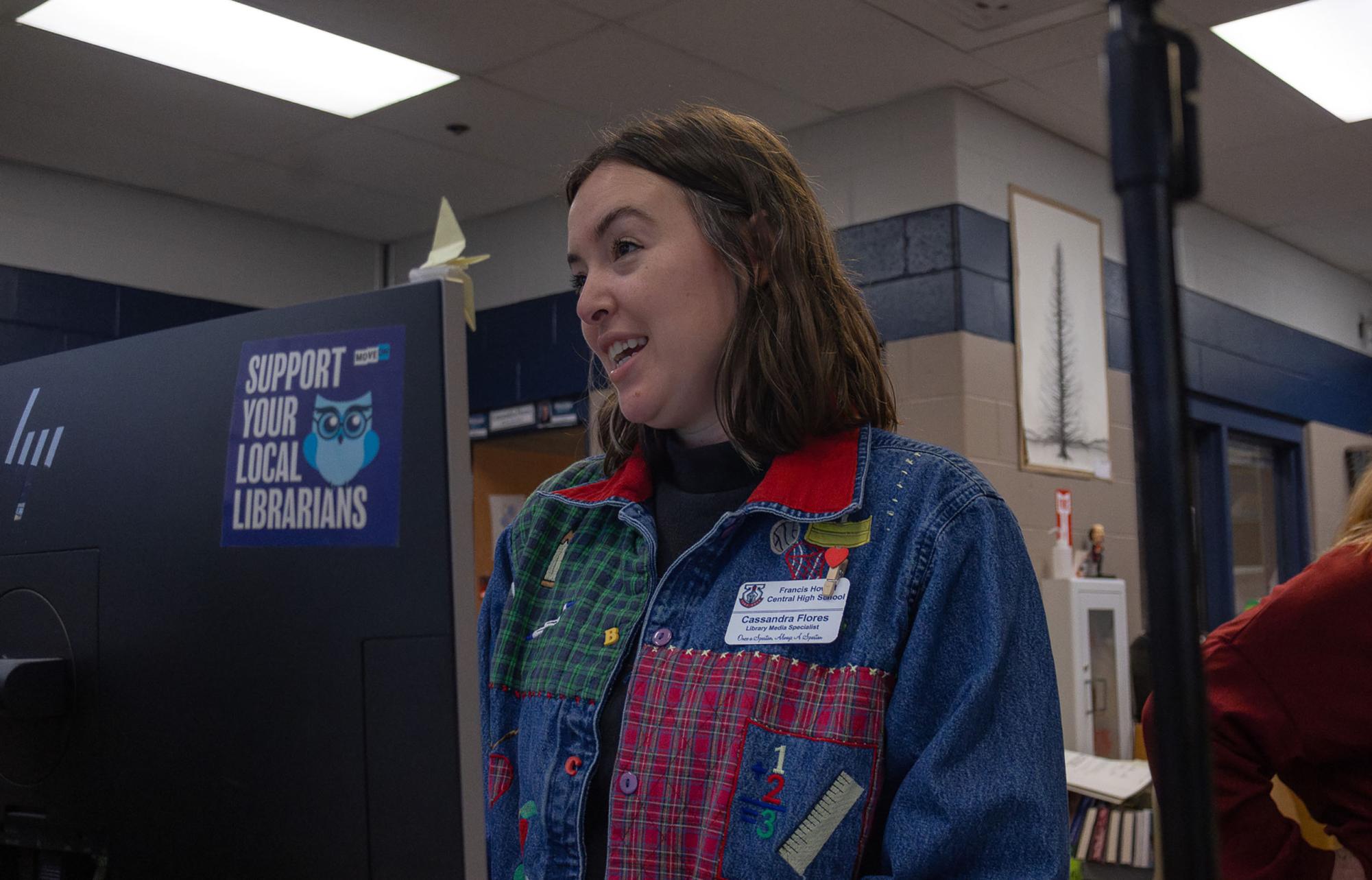
“The state conference is a way to connect with other high schools and participate together to have an excellent Epsilon Beta chapter. We all get to meet in one place, which is negotiated pretty far away [and is] multiple hours of [driving] to meet altogether. [The state conference is a way to] make friends and connect and talk about things like books and libraries and have fun,” Cassandra Flores, a librarian at FHC, said.
A wide range of competitions is also held each year, and many members participate with the determination to win and have fun. With schools competing in various ways, such as dramas, book reviews, creation of book trailers, book nooks, etc, competition goes all the way to state levels and around the districts. Meanwhile, the main purpose of the state conference is not just the competition itself, but the amazing journey of connecting with others and books. As students gather around, they communicate with each other to gain a variety of inputs and perspectives on the stories.
“I really love getting a chance to see all the students connecting and having a shared interest. It is hard to make friends from other places; to be able to say, ‘oh, we both like the same book’, is pretty inspiring to see,” Flores said.
Students from other high schools around the state come together at a scheduled high school, even though the location can be far away. While this is a very long drive, it’s worth it. Memories are made through collaboration, competition, and shared experiences with students from across the state.
“For the state conference, we [usually] meet with the other clubs and share what our chapter’s been doing. [We want to] look for ways that we can improve our club and the different chapters,” Molly McGranahan, a senior, said.
Each state conference is important and special in its own way since it holds different themes per year. This year’s theme is shelf to screen, and it was chosen by student leaders. With many competitions influenced by the theme, students enjoy dressing up as characters from stories, or making a book nook with a favorite book influenced by the theme.
“When people create a book nook for competition, they first create a display, and then they will put it inside of their bookshelf and videotape it. Besides book nooks, there are other activities that students participate in, which all are very centralized reading stories. The whole point of the teams that work together in competition is to promote high school libraries,” sophomore Lucas Ostermeyer said.
Common competitions, such as book nooks, are very interesting to make, as they are themed projects, which are normally taken from a book’s prompt and designed into a creative layout. Delicate and precise, the book nooks are created from wild imagination and bring the mood, setting, objects and characters to life. When students complete their project, they place their build-out on a library shelf next to the themed book and submit a picture for the competition. For this year, the theme of shelf to screen influences the process, as students are choosing book-based movies for the book nooks. Book nooks aren’t the only ones impacted; many other competitions seem to be affected by it.
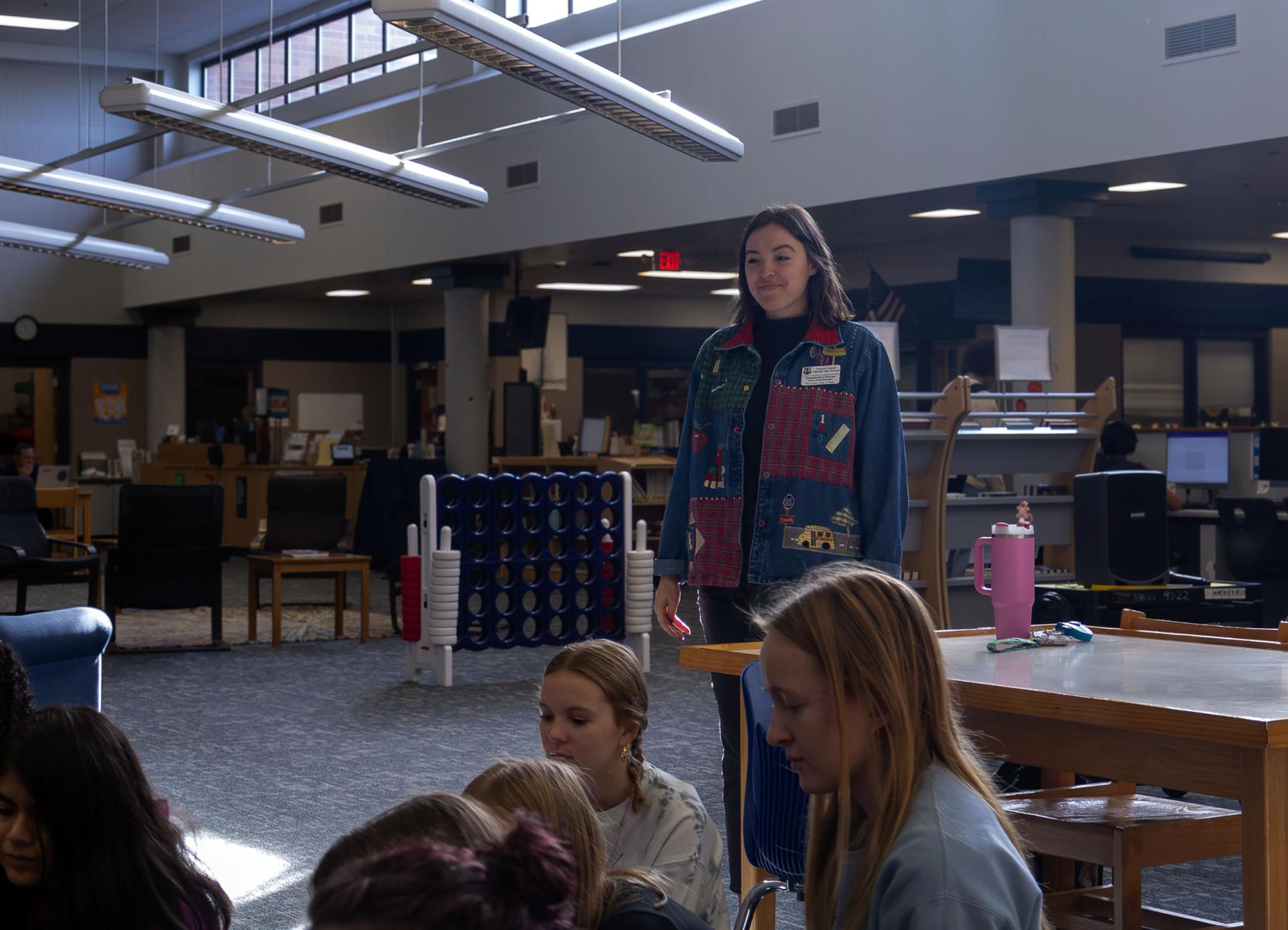
“Since we participate in a competition every year in the state conference, this theme would impact the way we participate in the costume contest or other competitions. We’ll dress up as characters from a book. As we go deeper into the theme, though, it’s clear that [this year’s] theme is not only about shelves to screen, but also about looking at what changes [are made] when books are turned into movies. [It’s] mostly comparing and contrasting what has been removed or added in the movies, though some competitions would be based on finding the difference,” Flores said.
The depth of summaries or deep ideas discussed among the students is captivating because it involves a variety of competitions and studies that are influenced by it. Some theories involve the reasons why parts are left out in a movie or why extras have been added. Other theories include the motivations for casting. Many students, besides exploring the depth of movie adaptations, enjoy the uniqueness of how characters and scenes from their imagination were portrayed in movies.
“Something that interests me the most when looking into this is how movies display the characters. I really like how they are different from what I imagined. I would really like to see how ‘Divine Rivals’ is turned into a movie,” McGranahan said. “I like it when movies depict two main characters, and it shifts between their perspectives of each other, because then the reader knows more about both of them than they know through the book.”
Amidst the movies, sometimes characters become more appealing on screen than in a person’s imagination, while other times, movies can play with the plot, making some parts stand out more than others. Emotions are better depicted at times as well, when the movies do a better job of springing background music or displaying actors’ expressions more attractively. But when the author pours more into the movie by significantly adding more detail, it brings down a whole new world of different character perspectives, unlike those mentioned in the book.
“Movie adaptations never accurately represent the book. It’s mostly that the movie doesn’t give you the same experience as the book. For example, in ‘The Hunger Games’, the plot is mixed up and changed. I really like the special effects they do, and everything is really cool, but they didn’t follow the book. The whole point of ‘The Hunger Games’ is to show how you change stuff from reality to make it propaganda and entertaining. In the book, ‘The Hunger Games’ started [out being] not entertaining, and no one would watch it if it were to turn into a movie. But, when it really did, they changed the plot to make it more entertaining by adding bloodshed and violence,” McGranahan said.
Even at the state conference, people enjoy the quality time of dressing up and sharing insights on the theme. They dress up as characters and depict scenes from the movies that aren’t mentioned in the book. With new perspectives from the movie’s insight, they relish newer ways to approach the story. Movies bring out many sides of the story left out in the book, as their main goal is to increase the attention of the audience.
“My favorite thing ever is to watch a movie and realize, ‘Oh my god, it comes from a book’. And then I would love to read that book and look at the perspectives and changes in plot. Most novels are written in first person, so I really get to immerse myself in the character,” Ostermeyer said. “Movies only provide you with an omniscient perspective, and they’re third-person type views. But most novels are written in first person, so I really get to immerse myself in the character; I’ll read a book and know what’s about to happen, and the suspense makes it so much more exciting.”
Books also do a genuine job of portraying a more personal perspective, better depicting emotions felt by the main character and their thought process. Added music, the change in perspectives, and stronger emotions all impact the movie’s influence on the viewer.
“In spooky movies specifically, the camera cutting and lighting and music can all sum together to create nice, thrilling spooky vibes, which are better depicted in the movie than the book,” Ostermeyer said. “An added level of nuance, an added level of music, and the overall vibe that the director and the actors put into the movie, if it’s done well, it can absolutely invoke emotion not experienced when reading the book. From shelf to screen, [the] state conference theme this year, is really going to highlight and pay tribute to the books. It’ll be exciting to see a little bit of promotion for movies that might be coming up in the state conference, and it’ll get me excited to watch a movie and then go read that book to find out the emotions the main character feels.”