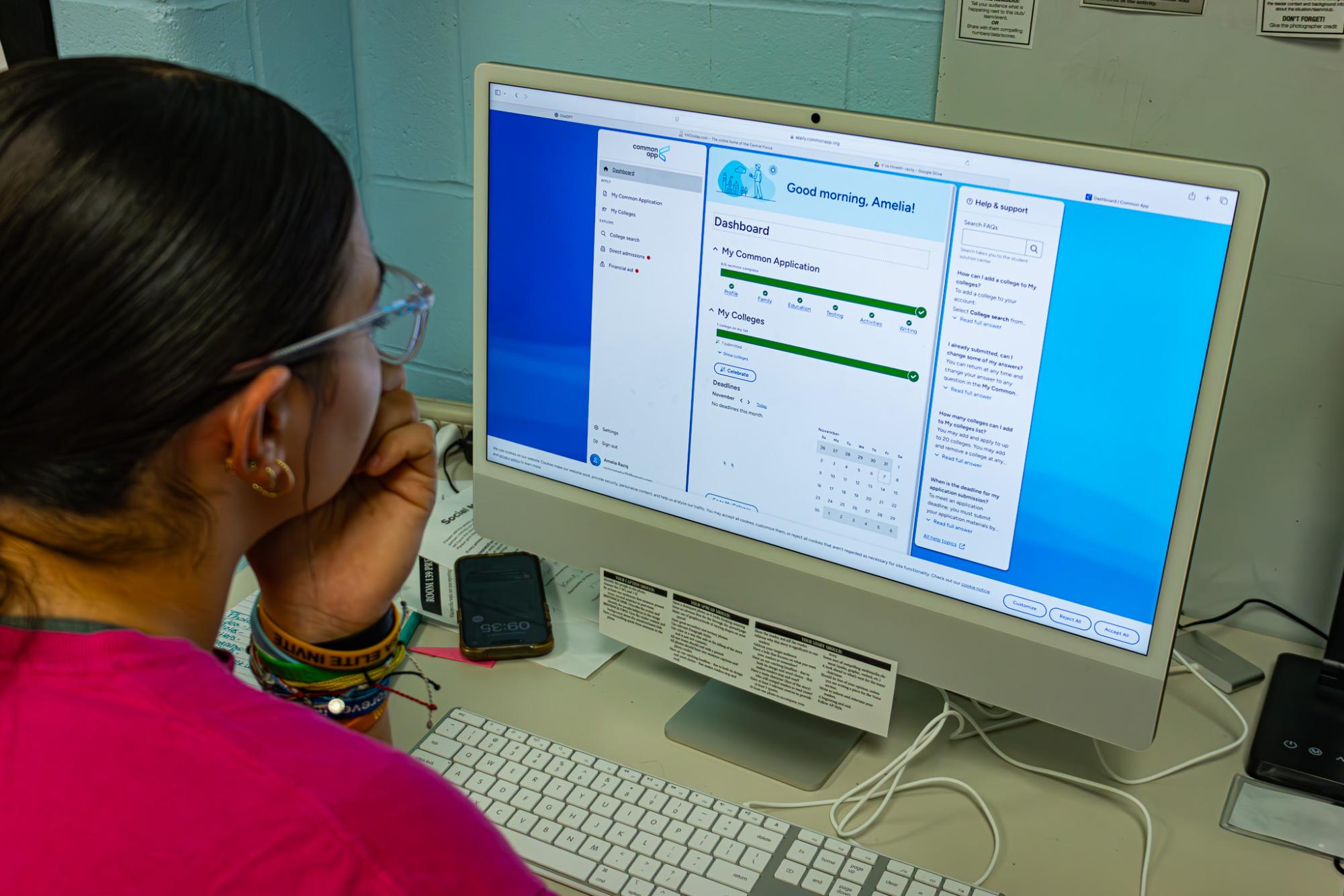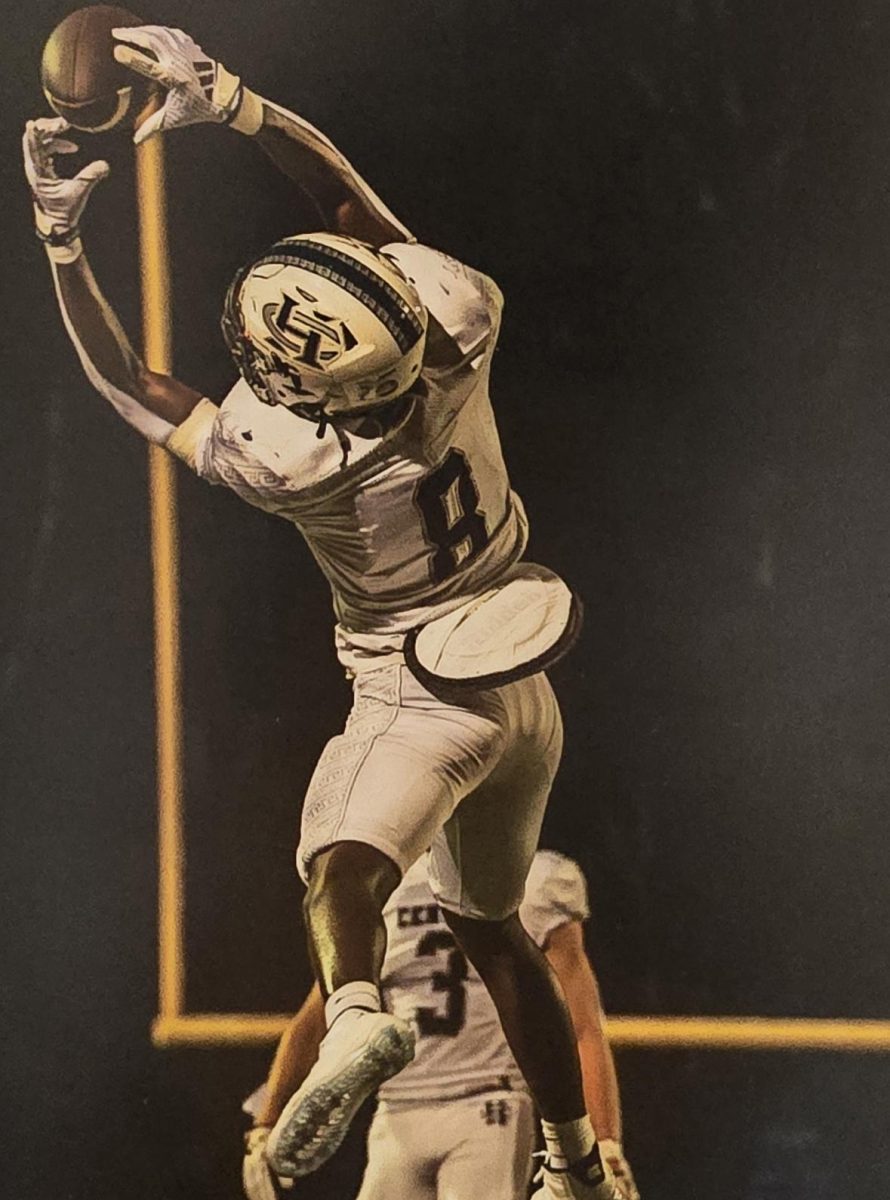
Stepping into the shoes of a student-athlete and figuring out how to get admitted to college athletics remains a mystery for many. Not just the process itself, but the way of achieving it seems different from an athlete’s perspective. Copper DeManuel and Amelia Raziq, senior athletes at FHC, both made the journey toward getting college admission letters. Activities director Mr. Bryan Keim guides student-athletes as they go through the recruiting pathway.
“We start our recruiting process in eighth grade and it goes all the way up until you get committed to the sport,” Raziq said. “It’s just mainly trusting the process and working on building relationships with coaches while also meeting new people and figuring out which college you would go to.”
Those who have chosen their sports from early ages start meeting with college coaches and explore the process. They practice and compete in tough tournaments that they predict will catch the eyes of the college coaches. As Raziq said before, it’s more about building relationships with coaches as athletes participate in tournaments and invite them to watch. They see the mistakes an athlete makes and how an athlete overcomes them; thus, this improves the relationship between an athlete and the coach.
“When athletes are coming as a freshman and you have a committed idea, they get to visit college campuses and see what interests them. They would make lists in their sophomore year and probably finalize a college then. In junior year, they get to have official visits where colleges invite them to come and hang out for a weekend. They might get to stand in the sidelines and see the behind the scenes of being collegiate level players at that specific school. It’s a long process because it’s a big commitment for both the school and for the athlete,” Keim said.
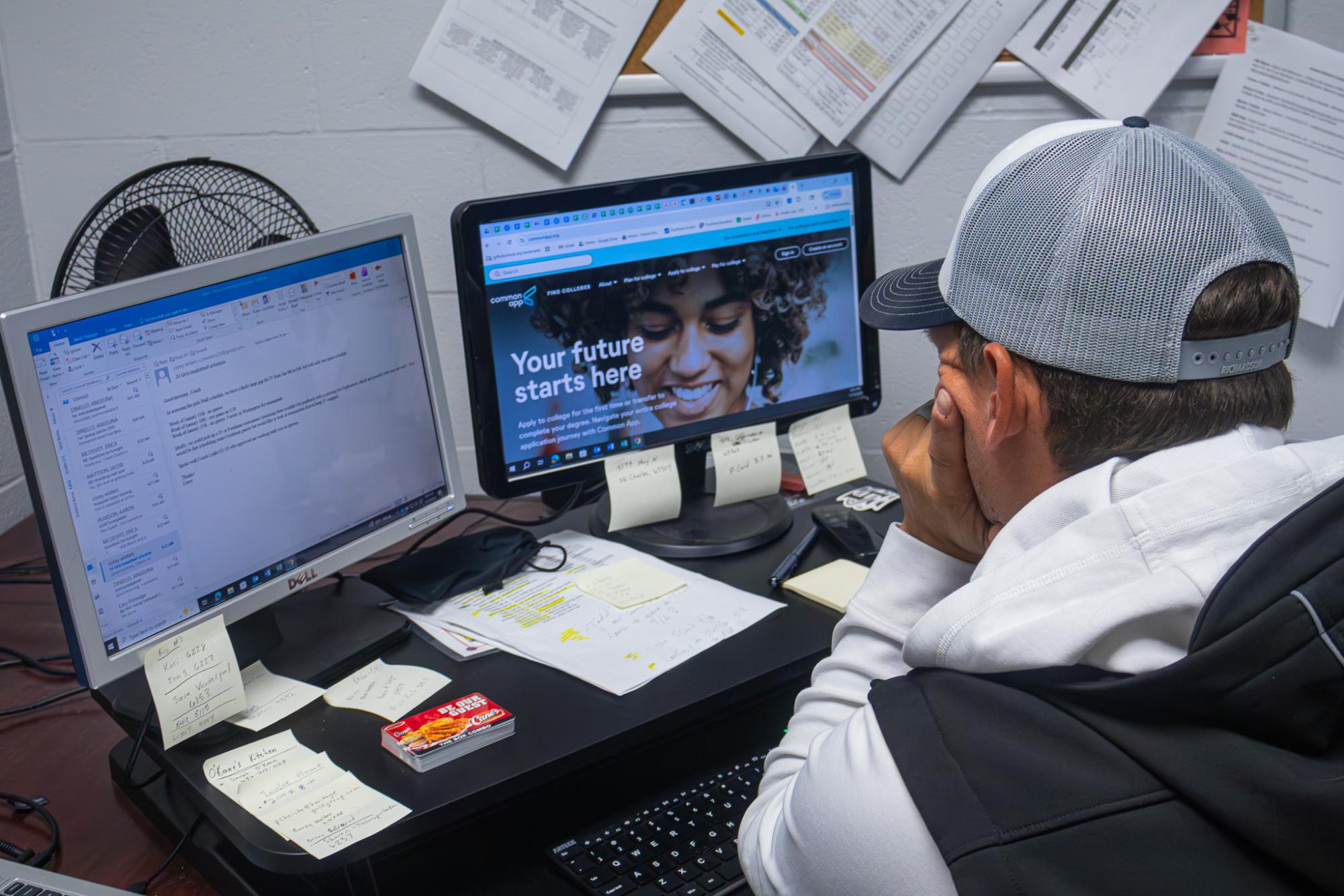
While athletes decide on which sport they will pursue seriously and develop sportsmanship, they invite college coaches to look into their personality and performance. There are two types of athletes, though: one that colleges look for, and the other that looks for a college themselves.
“As an analogy, when you go to purchase cars, you look for features that are suitable for your desires, such as looking for a leather seat or heating/cooling seats, or having a moon roof, etc. Similarly, certain college coaches have certain preferences as far as what they’re looking for. For example, in a baseball program, maybe the college coaches need pitching. They’re gonna go look for guys who are good at it and select them,” Keim said. “Coaches get to hand pick specific kids that they want in their program. It’s a tedious process because they have to meet them and their families while also really doing their homework of finding out if the student really is the one.”
These athletes can be very sportsman-like. As a result, they come into the eyes of coaches from colleges all over the nation. This also holds significance in college acceptance rates, as most colleges want such players on their team.
“It’s kind of a two way street, because it’s not always the college coaches just seeking off athletes. Sometimes, the athletes seek out the college coaches because the athletes have certain colleges that they would like to attend,” Keim said.
As mentioned earlier, this is another way student-athletes go through the process. Before, colleges approached student-athletes because of their sportsmanship and achievements. But now, for students who haven’t been acknowledged by colleges, they go and apply to them. Keim mentioned that student-athletes seek college coaches and ask them to see the athlete’s potential. Through working together, they build relationships, which grants student-athletes a place at the college sport’s team.
“Obviously, athletes have to get noticed by the coach. It’s usually just them going and talking to them, thus figuring out if they are fit for the school. Then they verbally commit to the college,” DeManuel said.
He also brings up a point about how coaches consider education and grades while looking at the athlete’s skills.
“[The] most important thing is definitely being a student. The coaches trust students to do the right thing and to study and get their work done. Good grades are also fundamental, as it shows that they are responsible while in school,” DeManuel said.
In order to be a perfect athlete for college, it’s important for the college to look at the education level of the student-athlete. It’s challenging to manage both studies and athletic activities, but when an athlete manages them well, it shows that they are responsible and perseverant. What’s interesting is that while having passion for sports, a struggling student can keep up with studies in their daily routine. Sports bring up responsibilities for education, as it helps a passionate athlete keep track of their grades. If an athlete’s grades dip too low, they may not be allowed to play in games and tournaments.
“Being an athlete, we need to really focus on grades while also maintaining above average athletic performance. We also need to pay attention to how we project our image everywhere, including social media. Coaches look for how we respond to failure and how we come back from that. Mainly, they look at our personality and sportsmanship,” Raziq said.
On the same side, student athletes deal with D1 offers. With a commitment and national exposure, this offer is considered to be the highest level in sports. While there are other offers, such as D2 and D3, this offer is best for those who desire to commit completely on a sports team in college. Although it’s very competitive, it’s considered the most important option for a student-athlete and it can provide a full athletic scholarship.
“When you are talking about offers, there could be different types of offers in the D1. It mostly includes athlete scholarships. There could be half scholarships, which pay half of the tuition, and there could be full scholarships, which pay for full tuition. If the athlete is great academically, coaches don’t give out full scholarships because they know that the student is getting another scholarship from the college itself. Furthermore, when a student decides on a sport, they make a verbal commitment first towards D1 colleges. This means that the student is accepted by the coach and would be provided a scholarship, but it’s not a binding action. On the other hand, official commitment comes when the student signs the NLI (National Letter of Intent, a binding agreement between a student-athlete and a college) and officially joins the college team. They then get scholarship money, depending on their academic and sports performance,” Keim said.