Booooooring! As the first ten minutes of a TV show (whose title remains a mystery to me) pass by, I can feel my fingers crawling to reach for a more entertaining vice: a phone, a computer, a book.
According to YouGov, approximately 60 percent of Americans rewatch the same TV shows. We find comfort in what we know— and avoid searching for the mental capacity to experience what we don’t. In 2003, people were found to spend two-and-a-half minutes on a task before moving on to something else. National Geographic has found that since then, the average attention span has shrunk to a bleak 40 seconds. In an exuberantly farcical alignment, the average TikTok video is a whopping 42.7 seconds, per Statista. See a pattern?
If we’ve become so habituated to scrolling after a 40-second clip of exaggerated story times about cheating husbands and memes of [insert something egregious here], how are shows ever meant to gain (and keep!) our attention?
They must draw us in… and fast.
A quick scroll on the internet yields an average 30-minute timer before a viewer abandons a show they dislike. What better way to test this theory than to judge shows solely based on their first impressions?
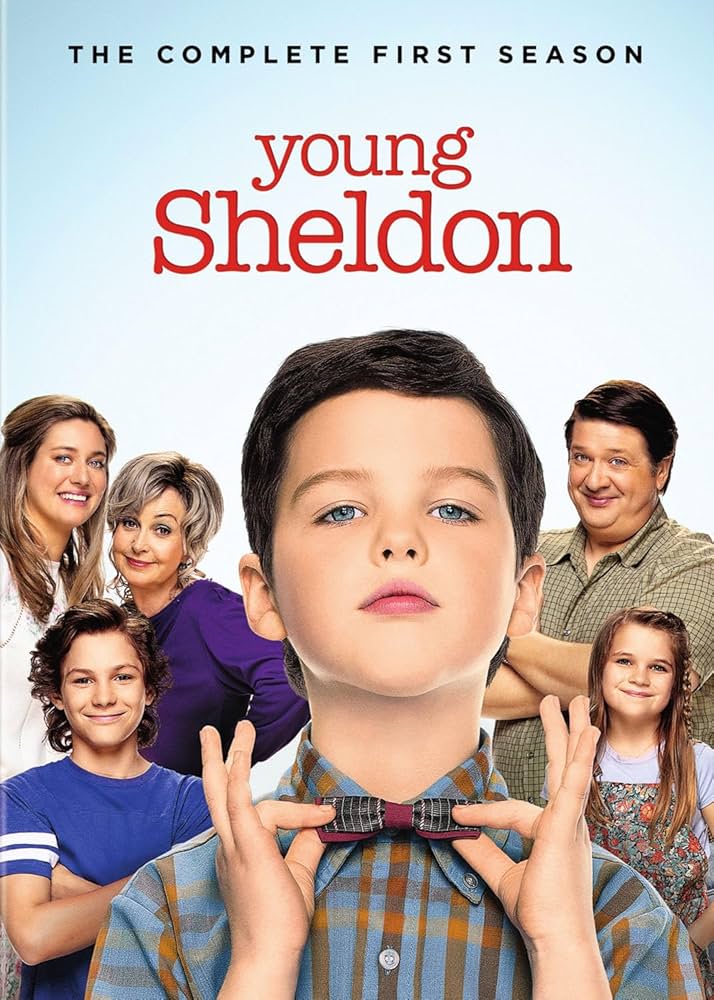 First up: “Young Sheldon.” Of all three shows, “Young Sheldon” had the best commencement. Sheldon’s dialogue was humorous in a dry way, which made the show entertaining without seeming overly forced. The Cooper family fits well into this sense, as their values and relationships with one another are made very clear. The idiosyncrasies of each character significantly contributed to the playfulness of the show. Sheldon and Mary have a particularly admirable dynamic, which left me wanting to watch more after the first 30 minutes concluded; furthermore, the timeline felt very intentional. While some shows aim to focus on the beauty in simplicity, which can quickly turn lackluster, “Young Sheldon’s” plot felt continuous. Its progression felt very natural, therefore reiterating the jocular and social layers that fashion a family.
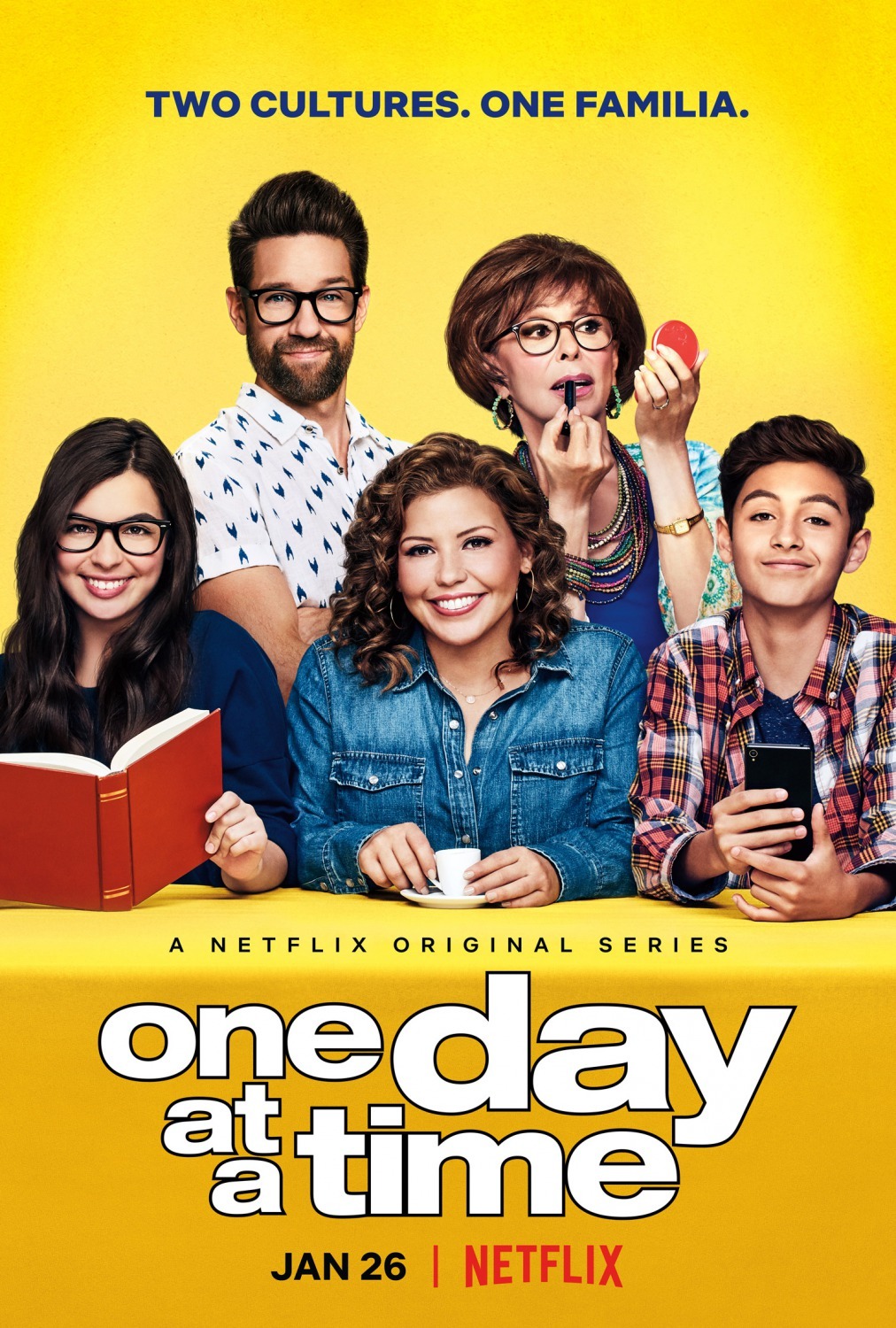
Although similar in the familial perspective, “One Day at a Time” left much to be desired. Within the first minute of Penelope speaking to her patient, it felt like a shoddy SNL skit. Maybe the acting was bad, maybe the script was bad; either way, the flow of the show was heavily disrupted, leaving its connection stagnant. As someone who dislikes most sitcoms, I may be biased; however, the plot progression was, well, not progressing. Resolutions of problems occurred like a DNA’s lagging strand: stop, go, stop, go. They came on swiftly and acutely, making the conflicts seem as though they did not exist to begin with. The last few unfeigned moments revived the first 30 minutes of “One Day at a Time,” but there was a notable leap from surface-level comedy to deep rumination.
 Last (and least): “The Four Seasons.” Although the beginning was amusing and whimsical in nature, that is about where the show ended. Once five minutes hit, it was clear that nothing was or would be built upon in a meaningful manner. If you were to ask someone to create a typical day in suburbia with a dust of conflict, this could easily be a contestant. It would have been saved if some sort of humor had been instituted; instead, the perspective is more that of a camera following all parts of someone’s life around for a day.